
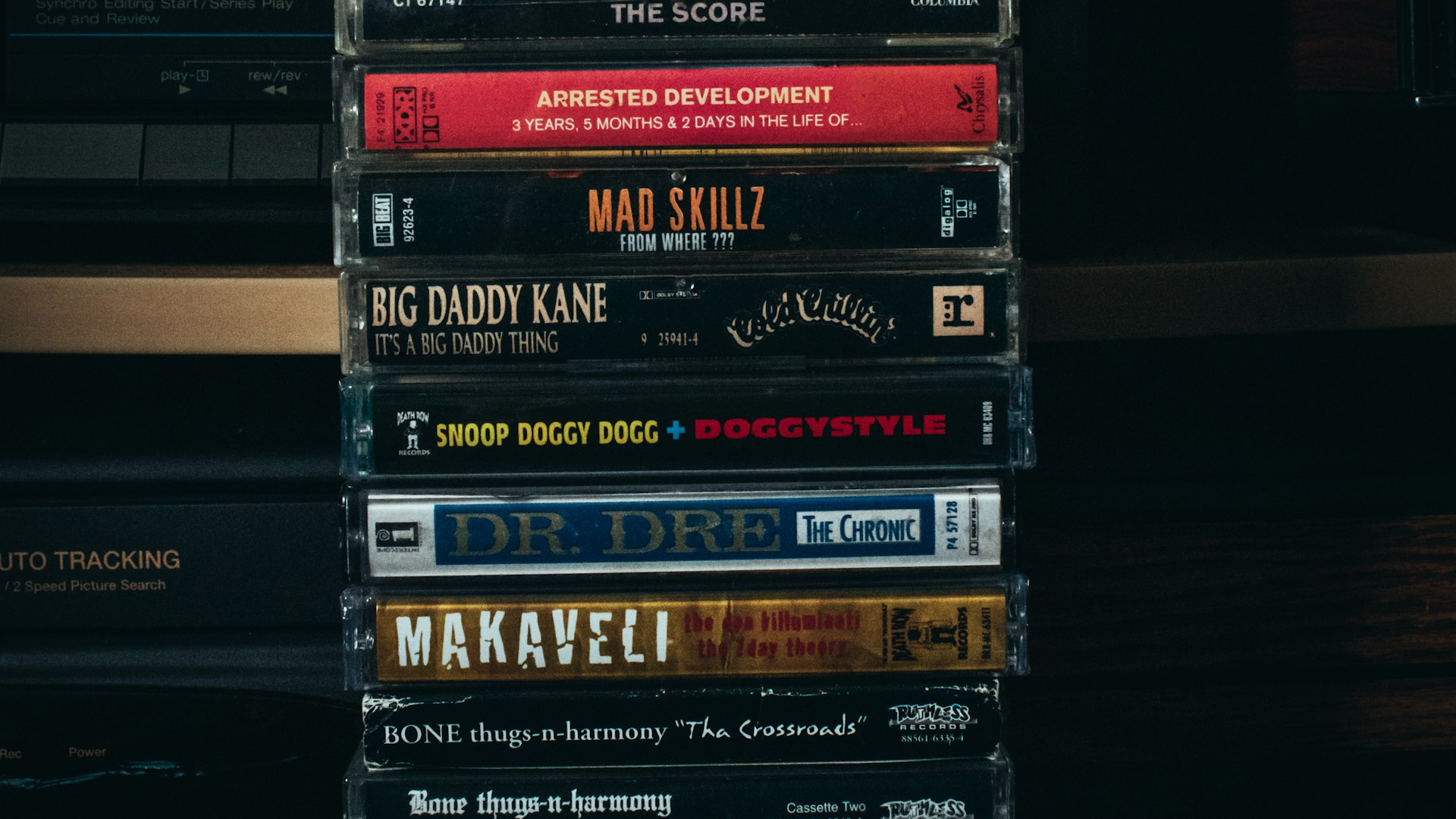
Stray Kids’ “KARMA” sold roughly 3.4 million copies in 2025 alone, the only K-pop album that year to break 3 million and earn a Triple Million certification from Korea’s Circle Chart (Forbes, January 2026). Physical albums aren’t a niche habit in this fandom — they’re a huge business, and that business attracts counterfeiters right alongside the legitimate sellers.
This guide covers where fans actually buy albums safely: the big international specialty retailers, the easiest domestic options if you’re in the US, and exactly which platforms deserve extra caution before you hand over a credit card number.
Key Takeaways
- Ktown4u, Weverse Shop, and YesAsia are the three international retailers fan communities most consistently trust for authentic albums.
- US-based fans can often skip international shipping entirely — Target, Walmart, Barnes & Noble, and Music Plaza all carry official K-pop releases domestically.
- Counterfeit CDs are a documented problem on general marketplaces: an RIAA test-buy study found meaningful fake-CD rates on Amazon and eBay, though that data is from 2019 and not K-pop-specific.
- South Korea’s foreign-national fraud reports nearly quadrupled from 5,307 cases in 2023 to 19,907 in 2025, much of it tied to unverified sellers of merchandise and tickets (Bitdefender, July 2026).

The Big Three: Trusted International Retailers
Three names come up in almost every fan buying guide, and for the same reason each time: they’re official, they ship worldwide, and years of community reviews back them up.
Ktown4u ships from Korea to anywhere in the world and covers a huge catalog, including pre-order benefits and fan-meeting exclusives. The tradeoff is cost — international shipping fees have climbed noticeably, and EU buyers in particular report confusion around VAT and import-fee double-charging.
Weverse Shop is the official storefront run by HYBE, the go-to for BTS, TXT, ENHYPEN, LE SSERAFIM, SEVENTEEN, and other HYBE-affiliated acts. Authenticity isn’t in question here, but community reviews consistently flag slow fulfillment — often two or more weeks just to ship — and shipping costs of $30-$50+ that don’t always combine across multiple items in one order.
YesAsia tends to get the best reviews of the three: a 4-star Trustpilot rating across nearly 1,000 reviews and close to a perfect score on ResellerRatings, with fans citing responsive support and easy replacements for damaged items.
Buying from the US? Try Domestic Retailers First
If you’re in the US, you can often avoid international shipping and customs entirely. Target, Walmart, and Barnes & Noble all stock official releases from major acts, sometimes with US-exclusive versions, and Target throws in free shipping over $35 plus same-day pickup options in many cities.
Music Plaza, a Los Angeles-based specialty retailer with roughly three decades of history, is worth knowing about specifically: it ships domestically from the US (meaning no customs delay), offers a cheap Media Mail option for CDs, and has built over 15,000 eBay ratings at effectively 100% positive feedback.
The catch with all four domestic options is catalog depth — they carry major-label releases, not the full back catalog of smaller or rookie groups. Think of them as your first stop, not your only stop.
Korean-Language Retailers for Deeper Catalogs
Aladin and Synnara are established Korean retailers, both affiliated with the Hanteo and Circle/Gaon chart-tracking systems, and both carry catalogs that go well beyond what English-language storefronts stock. Prices often run cheaper than the specialty importers too. The tradeoff is accessibility: the sites are Korean-language-first, order volume can slow down shipping around comeback season, and international fans sometimes rely on a Korean shipping forwarder to get items out of the country efficiently.

Where Counterfeits Show Up Most
South Korean authorities’ 2025 seizure data found that posters, photocards, tumblers, and keyrings made up nearly 98% of the counterfeit fan merchandise confiscated that year — and the fraud problem extends well beyond Korea’s borders. Foreign-national fraud reports filed in South Korea rose from 5,307 cases in 2023 to 19,907 in 2025, much of it tied to intermediaries selling tickets and exclusive merch who disappear after payment (Bitdefender, July 2026).
On general marketplaces specifically, counterfeit CDs are a documented — if dated — problem. An RIAA test-buy study ordered 194 CDs from top search results across major platforms and found real fakes mixed into the results, though this data is from 2019, isn’t K-pop-specific, and Forbes’ own coverage noted the sample size was too small to treat as a precise market-wide rate.
Understanding Photocards and Pre-Order Benefits
Most K-pop albums include a randomized photocard — one member, chosen at random from the group’s lineup, sealed inside. That randomness is a deliberate sales mechanic: some dedicated fans report spending several thousand dollars buying multiple copies of the same album purely to improve their odds of pulling their favorite member’s card.
Pre-order benefits (POBs) work differently — they’re store-exclusive freebies (posters, photocards, stickers) offered only during a limited pre-order window at a specific retailer. Once that window closes, POBs typically only exist on the resale market, where popular ones can go for anywhere from around $5 to $80 or more depending on demand.
How to Spot a Counterfeit or Scam Seller
Bitdefender’s July 2026 report on K-pop-related fraud documented a consistent pattern: fake storefronts copy real retailers’ product photos, then either take payment without shipping anything or ship counterfeit goods. A few concrete red flags to check before you buy:
- Deep discounts on sold-out or rare items. If a supposedly out-of-stock POB or limited album is suddenly available cheap, be suspicious.
- Newly registered websites with no real contact information. Legitimate retailers have a support history, reviews, and a findable business address.
- Bank-transfer-only payment requests. Real retailers accept traceable payment methods; cash-app or wire-only requests are a major red flag.
- “Signed” albums priced too low. A real certificate of authenticity typically costs $50 or more to obtain — a “signed with COA” album priced far under $100 usually isn’t what it claims to be, a pattern fan guides specifically warn about on eBay.
- Group-buy organizers on social media with no track record. Unverified Instagram or Twitter/X accounts running “group order” pre-sales are exactly the setup Bitdefender links to South Korea’s near-quadrupling of foreign-national fraud reports.
Watch: Real Buying Routines from Other Fans
Written comparisons only go so far — these two walk through the actual process:
Covers a real buying routine across several of the retailers mentioned above, plus using a Korean shipping address for retailers that don’t ship internationally.
A beginner-focused walkthrough of ordering directly from official agency storefronts, useful if this is your first time navigating a site like Weverse Shop.
Frequently Asked Questions
Is Weverse Shop actually official?
Yes — Weverse Shop is run directly by HYBE and is the primary official storefront for BTS, TXT, ENHYPEN, LE SSERAFIM, SEVENTEEN, and other HYBE-affiliated and partner acts. The main tradeoffs fans report are slower shipping and higher per-order shipping costs, not authenticity.
How much does a K-pop album typically cost?
Standard physical versions typically run $15-$30, with deluxe or special-package editions reaching $40 or more; digital albums are usually cheaper, roughly $10-$15. Exact pricing varies by retailer and release, so treat these as general ranges rather than a fixed number.
Can I trust albums bought on Amazon?
It depends entirely on the seller. Albums sold directly by an official label storefront or marked “Sold by Amazon” carry far less risk than generic third-party marketplace listings — check the seller name before buying, especially if the price looks unusually low.
Does buying a physical album actually help an artist’s chart ranking?
Yes, in South Korea specifically. Hanteo Chart tracks physical sales from roughly 1,100 partner stores worldwide, while Circle Chart (run by the Korea Music Content Association) combines physical shipments, digital downloads, and streaming — which is part of why comeback-week album sales get so much attention from fandoms.
What’s the safest platform for a first-time buyer?
For US-based fans, Target, Walmart, or Barnes & Noble avoid customs and counterfeit risk almost entirely, though the catalog is limited to major releases. For a wider catalog with strong reviews, YesAsia is the specialty retailer fan communities cite most often for reliability.
Where to Start
If you’re US-based and just want an official copy of a big release, start with Target, Walmart, or Barnes & Noble — no customs, no guesswork. If you want the full catalog or POB exclusives, Ktown4u, Weverse Shop, and YesAsia are the three names fan communities trust most, even with the shipping-cost tradeoffs. Whatever you do, keep the red flags above in mind before you hand your card details to an unverified seller or a stranger running a “group order” on social media.